(Beaver Dam) The Beaver Dam Common Council Monday night voted to exceed the city’s self-imposed borrowing cap. The proposed 2020 Capital Improvements Plan, or CIP, totals $3.6-million dollars in long-term borrowing for streets, infrastructure, buildings and major equipment purchases. The cap was put in place nearly a decade ago limiting annual borrowing at $1.6-million dollars; it was adjusted for inflation last year up to $1.7 million.
There was no dollar amount attached to the resolution approved last night; that will be determined at a special committee of the whole meeting on Monday. While it takes a three-quarter vote of the council to exceed the borrowing cap, which is 11 to 14 olderpersons, only a simple majority is needed to approve the final borrowing amount.
The motion to exceed the borrowing cap was approved on a 12-to-2 vote. Alderman Ken Anderson tells us that he is comfortable with the city exceeding the cap but he voted no because the number is currently too high and he is not optimistic about reducing that number with a simple majority vote next Monday. Administrative Committee Chair Kara Nelson says the projects in the CIP are needs that cannot be put-off any longer.
In voting no, Alderman Mick Fischer said the city’s five-year borrowing plan would double the city’s debt to $50-million dollars. Alderwoman Nelson said that Fischer’s statement was inaccurate in that it did not take into account debt that would be ending. Mayor Becky Glewen noted that the vote on the CIP is only for borrowing in the first year of any five-year CIP plan.
The big-ticket item in the CIP is the $2.7-million-dollar reconstruction of most of South Spring Street, of which $1-million dollars will be covered by grants. The city will have to engage in short-term borrowing until the grant funding is received once the project is complete. Other street projects include repaving of Prospect Avenue and the Apple Valley subdivision.
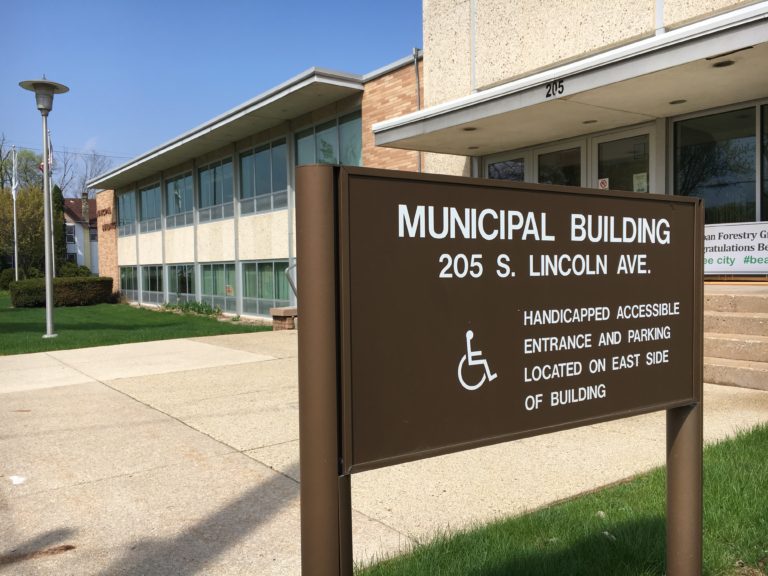
Borrowing is also being requested for $111-thousand dollars in improvements to city hall, $100-thousand dollars in fire department equipment, a new $36-thousand-dollar roof at the Dodge County Historical Society, and $290-thousand dollars for improvements to four of the city’s two dozen parks.
This is the third year in a row the city has voted to exceed the cap. After the next budget is adopted, officials plan to consider basing the debt cap less on the arbitrary $1.7-million-dollar number and more on a percentage of revenues or borrowing capacity.