(UNDATED) A simple blood draw could soon make it easier for more people to get screened for colorectal cancer — a disease that’s often treatable when caught early but still kills thousands each year.
Dr. Sam Asgarian, a clinical development leader at Guardant Health, says the new test gives people another option if they’ve been putting off a colonoscopy. He spoke with our sister station 620 WTMJ about the screening, known as the SHIELD test.
For years, doctors have struggled to get more people screened. Colonoscopies remain the gold standard, but they can be time-consuming, invasive and require preparation that keeps people home from work. As a result, screening rates have stalled around 60 percent — well below the 80 percent goal many health experts want to reach.
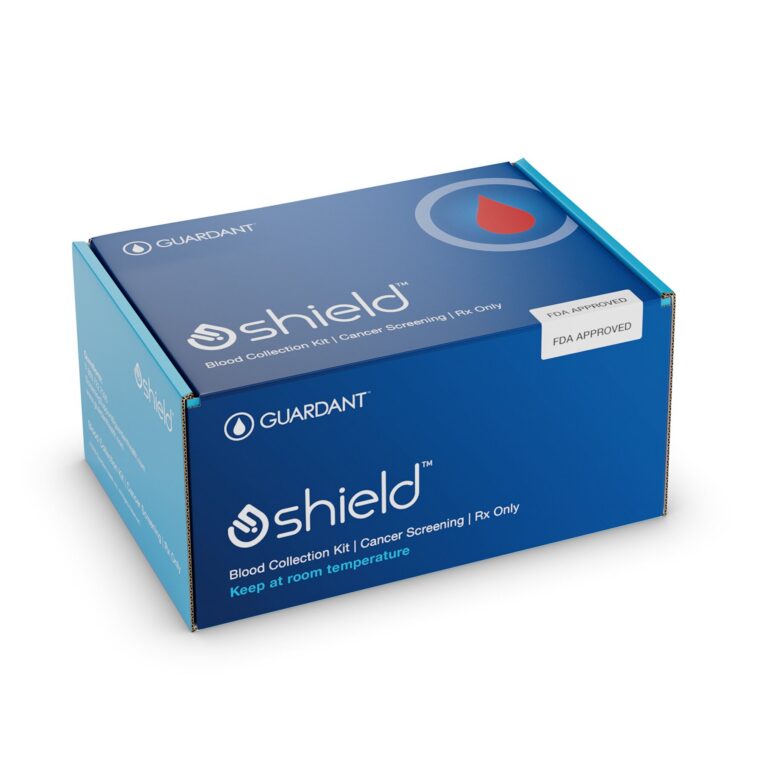
The new test works like routine lab work. A patient gives a blood sample, and the test looks for signs of colorectal cancer. It was approved by the FDA in 2024 as a first-line screening option, meaning it can be used alongside existing methods.
It’s not quite as accurate as a colonoscopy, which detects more than 90 percent of cancers and can remove suspicious growths during the same procedure. But in a large study of nearly 20,000 people, the blood test detected about 83 percent of colorectal cancers.
Doctors say the trade-off may be worth it if it gets more people through the door.
The test does have limits. It won’t find polyps or other digestive issues, and a positive result still requires a follow-up colonoscopy. It also comes with some false positives and negatives, meaning it can miss some cancers or flag issues that aren’t there.
Still, health experts stress that any screening is better than none.
Colorectal cancer is the third leading cause of cancer-related deaths in Wisconsin. But when it’s caught early, the survival rate is about 91 percent. That drops sharply when the disease is found later.