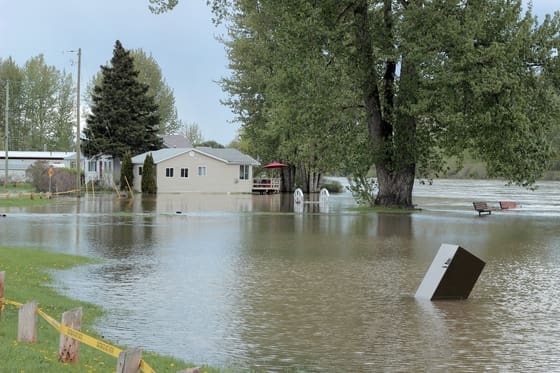
(STATEWIDE) Wisconsinites dealing with days of heavy rain and flooding may also be facing a hidden risk — unsafe drinking water from their own wells.
With more severe weather expected Friday evening, the Wisconsin Department of Natural Resources is warning people with private wells to take extra precautions if floodwaters have reached their property.
Floodwater can carry bacteria, chemicals and other contaminants that seep into wells, making the water unsafe to drink, cook with or use to prepare food. That contamination isn’t always obvious. It can enter through the top of a well, move down the casing or even travel underground from nearby flooded wells.
You should assume your well may be contaminated if floodwater covered the well casing, or if your water suddenly looks, smells or tastes different. Shallow wells and those located in basements or pits are especially at risk.
If there’s any doubt, the DNR says to stop using the water right away. Switch to a safe source like bottled water, a known safe well or a community system. If none of those are available, boiling water at a rolling boil for at least one minute can make it safer to use.
Once floodwaters recede, the agency recommends disinfecting both the well and the entire plumbing system. That work is best handled by a licensed well driller or pump installer, though some homeowners may choose to do it themselves using DNR guidance.
Before turning the water back on for everyday use, testing is critical. The DNR says to have well water checked for bacteria at a certified lab. Results typically come back within about 10 business days.
If bacteria are found, the water should not be used unless it’s boiled. A second test is also recommended to confirm the results. If contamination continues, well professionals or DNR staff can help identify the source and next steps.
If the test comes back clean, the water is considered safe, but the DNR suggests testing again in about a month and watching for any changes.
Looking ahead, the agency says homeowners can reduce future risk by raising well casings above expected flood levels and keeping wells properly sealed. Regular testing — at least once a year — can also help catch problems early.